Compare Local Contractors for House Addition Projects
Compare local contractors to define project scope, verify experience, and set clear expectations in writing for a successful house addition.
House addition construction projects typically involve expanding existing homes through new rooms, extended living spaces, or additional levels. These projects can encompass a variety of tasks, including planning the layout, obtaining necessary permits, managing structural modifications, and coordinating various trades such as framing, electrical, plumbing, and finishing work. Understanding the scope of work helps property owners clarify what is included in the project, ensuring that all desired features and functionalities are accounted for from the outset. Clear communication about the scope also helps prevent misunderstandings and scope creep as the project progresses.
Defining the scope of a house addition is a crucial step in working with contractors because it establishes expectations and provides a foundation for comparing different service providers. A well-defined scope details the specific work to be completed, materials to be used, and the level of finishes expected. When property owners have a detailed scope in writing, it becomes easier to evaluate proposals, verify that contractors understand the project requirements, and hold them accountable for delivering what was agreed upon. This clarity can reduce surprises and help ensure the project stays aligned with the property owner’s goals.
When comparing local contractors for house addition projects, property owners should consider each service provider’s experience with similar projects, reputation within the community, and the clarity of their communication. It’s helpful to review portfolios or references to gauge the quality of past work and to verify that the contractor has a thorough understanding of local building codes and regulations. Additionally, property owners should seek detailed written proposals that outline the scope of work, responsibilities, and expectations. Comparing these documents side by side can highlight differences in approach, expertise, and professionalism, making it easier to select a contractor that aligns with the project’s needs and the property owner’s vision.
Compare local contractors by outlining your project priorities, verifying experience, and setting clear expectations in writing.
- Compare Contractor Credentials - Review experience and references to ensure contractors have relevant expertise.
- Define Project Scope Clearly - Establish detailed plans and expectations before starting construction.
- Verify Past Work and References - Check previous projects to assess quality and reliability of service providers.
- Document Agreements in Writing - Ensure all project details, responsibilities, and expectations are confirmed in a written contract.
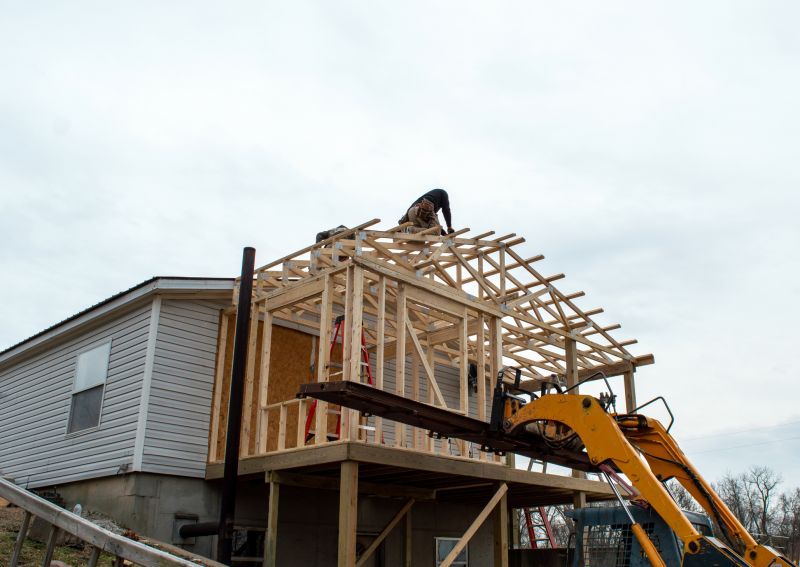
Before comparing contractors, clearly describe your house addition project, scope, and expectations to ensure accurate matches.
- Verify experience with house addition projects similar in scope and complexity. - Ensure service providers have a proven track record in constructing house additions comparable to the planned project.
- Define the project scope clearly in writing to avoid misunderstandings. - Make sure all details, specifications, and expectations are documented and agreed upon before work begins.
- Assess the contractor’s understanding of local building codes and permit requirements. - Confirm that service providers are knowledgeable about necessary regulations to ensure compliance.
- Request detailed written proposals outlining materials, methods, and project milestones. - Review proposals carefully to compare approaches and ensure transparency in the scope of work.
- Check references and past projects to evaluate the quality of previous house addition work. - Contact past clients or review portfolios to gauge reliability and craftsmanship.
- Establish a clear communication plan to keep project expectations aligned throughout construction. - Agree on how updates, questions, and changes will be managed in writing to maintain clarity.
Compare local contractors, clarify project scope, verify experience, and document expectations to ensure a smooth house addition.
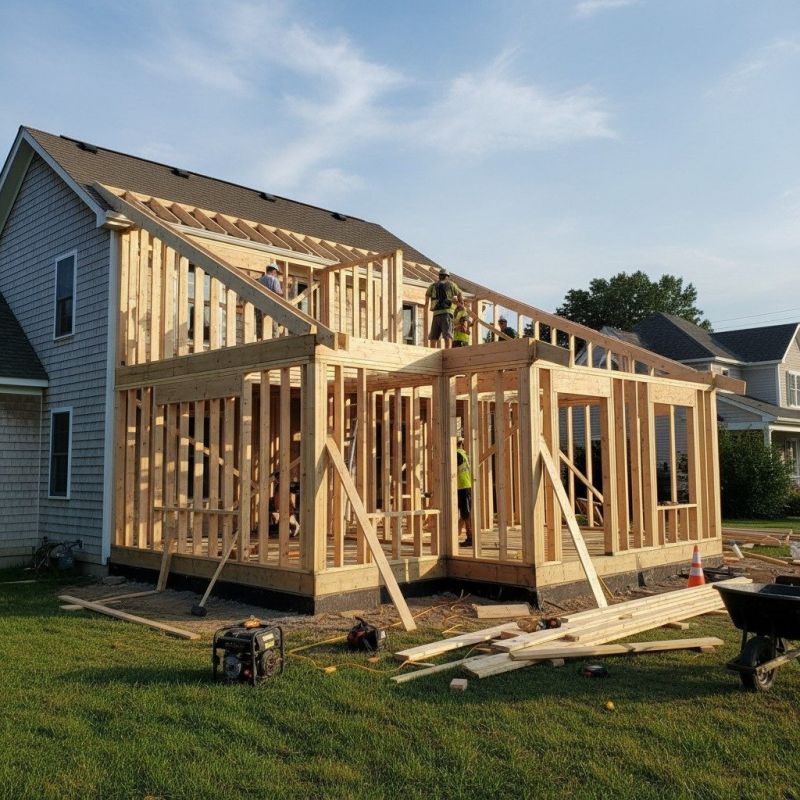
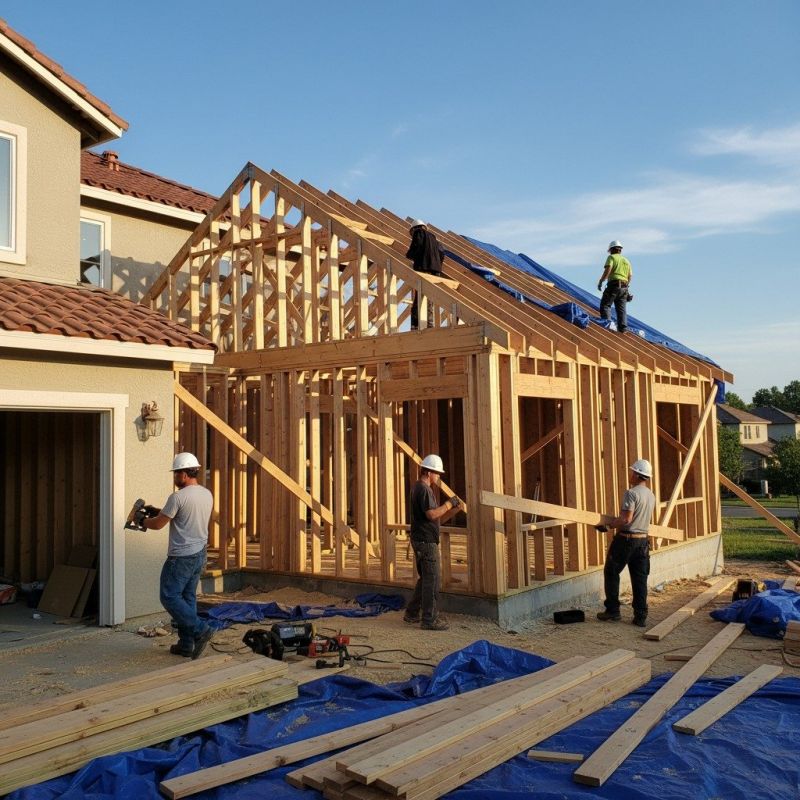


Use consistent comparison criteria across local contractors by clearly defining your scope, verifying experience, and documenting expectations in writing.
- Define project scope - clearly outline the specific additions and modifications needed for the house expansion.
- Verify experience - ensure service providers have relevant experience with house addition construction projects.
- Assess credentials - confirm that contractors are qualified and have a track record of quality work.
- Establish communication expectations - set clear channels and methods for ongoing updates and clarifications.
- Document details in writing - compile all project specifications, agreements, and expectations into a formal contract.
When evaluating contractors for a house addition, it’s important to consider their experience with similar projects. Homeowners should inquire about the types of additions the contractor has completed and seek examples or references that demonstrate their familiarity with the scope of work involved. Contractors with a proven track record in handling projects comparable in size and complexity are more likely to understand the unique challenges and requirements specific to house additions, helping to ensure a smoother construction process.
A clear, written scope of work is essential for setting expectations and avoiding misunderstandings. Homeowners should work with service providers who can provide detailed descriptions of the work included, materials to be used, and the overall process. This documentation serves as a foundation for communication and helps ensure that both parties are aligned on the project’s objectives, reducing the risk of scope creep or unexpected issues later in the process.
Verification of a contractor’s background involves more than just checking references; it includes confirming their experience with similar projects and understanding their approach to project management. Homeowners should ask how the contractor plans to coordinate different phases of construction, handle potential challenges, and communicate progress. Gathering this information helps to assess whether the contractor’s methods align with the homeowner’s expectations for quality and coordination, providing a basis for making an informed choice.
When comparing options, it’s helpful to evaluate how each contractor approaches project planning and communication. This includes reviewing the clarity of their scope of work, their experience with projects like the addition, and the thoroughness of their verification process. By focusing on these aspects, homeowners can better understand each service provider’s capabilities and approach, leading to a more confident decision-making process based on professionalism and compatibility rather than price alone.
Ask contractors to provide written scope of work to ensure clear expectations and consistent project details.
- Experience and Portfolio - What specific house addition projects have local contractors completed recently?
- Scope of Work - How clearly do local service providers define the scope and details of the addition?
- Comparison of Services - What differences exist between local contractors in terms of services offered and expertise?
- Communication and Expectations - How do local pros document and clarify project expectations in writing?
- References and Past Work - Can the contractors provide references or examples of completed house additions?
How can I compare contractors for a house addition? To compare contractors, review their experience, request references, and check their reputation with local trade organizations or review platforms to ensure they have a history of quality work in house additions.
What should I define in the scope of a house addition project? Clearly outline the desired size, layout, materials, and any specific features or finishes to ensure contractors understand the project requirements and deliver consistent results.
How do I verify the experience of a contractor for house additions? Ask for a list of completed projects similar to your addition, review their portfolio, and inquire about their familiarity with local building codes and permits related to house expansions.
Why is it important to get written estimates and agreements? Written documents help set clear expectations, define the scope of work, and serve as a reference to prevent misunderstandings during the project.
What questions should I ask potential contractors during the selection process? Inquire about their experience with similar projects, their approach to managing permits and inspections, and how they handle unexpected issues that may arise during construction.
How can I ensure the contractor understands my vision for the house addition? Provide detailed plans, sketches, or reference images, and confirm that the contractor’s proposal aligns with your expectations before proceeding.
Understanding the key steps for selecting a contractor for house addition construction can help ensure the project aligns with expectations. Visitors have learned how to define the scope of work, verify the experience of local contractors, and establish clear agreements in writing. Comparing multiple service providers through a straightforward quote form makes it easier to evaluate options and find a suitable match for the project’s needs.
Using the quote form to connect with local service providers allows for an efficient way to explore available contractors. This process supports informed decisions by providing access to local professionals who can handle house addition projects. Taking the time to compare and clarify details can help set the foundation for a successful partnership.