Compare Local Contractors for Home Addition Installation Success
Compare local contractors to define project scope, verify experience, and set clear expectations in writing for successful home addition installation.
Home addition installation projects typically encompass a range of work aimed at expanding or enhancing existing living spaces. This can include constructing new rooms such as bedrooms, offices, or sunrooms, as well as extending existing areas like kitchens or living rooms. The scope often involves framing, insulation, drywall installation, flooring, electrical wiring, plumbing, and finishing touches. Understanding what these projects cover helps property owners communicate their needs clearly and ensures the chosen service providers have relevant experience in handling all aspects of home additions.
Defining the scope of work is a crucial step in any home addition project. It helps establish clear expectations, prevents misunderstandings, and provides a basis for detailed planning. Outlining specific tasks, materials, and desired outcomes in writing ensures that both property owners and contractors are aligned. This clarity can also facilitate smoother project management, as it reduces the likelihood of scope creep or unexpected issues during construction. Taking the time to specify the project’s scope upfront can contribute to a more efficient and satisfactory renovation process.
When comparing local contractors for home addition installation, property owners should consider several factors. Verifying the experience and expertise of each service provider in handling similar projects can provide confidence in their capabilities. Reviewing their portfolio or asking for references can offer insights into the quality of previous work. It’s also helpful to evaluate how each contractor approaches project scope and communication-particularly their ability to provide detailed written proposals and clarify expectations. By assessing these aspects, property owners can make informed decisions and select a contractor who aligns with the specific requirements of their home addition project.
Compare local contractors by outlining project priorities, verifying experience, and documenting clear scope and expectations.
- Compare Contractor Credentials - review experience and reputation to ensure they meet project requirements.
- Define Project Scope Clearly - outline specific details and expectations to avoid misunderstandings.
- Verify Work Experience - confirm that service providers have relevant expertise for home addition projects.
- Document Agreements in Writing - keep a detailed record of scope, expectations, and responsibilities for reference.
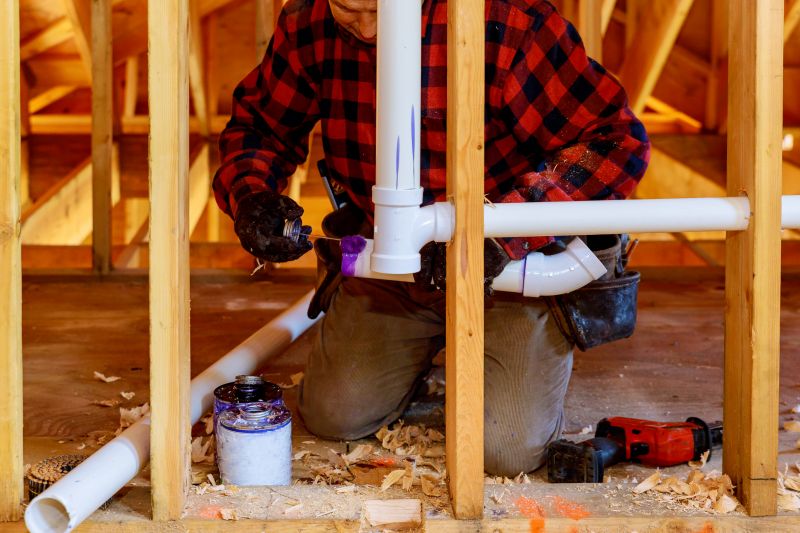
Clearly describe your home addition project to help local contractors understand the scope and compare their experience effectively.
- Verify experience and references for home addition projects similar in scope and complexity. - Ensure contractors clearly define the scope of work and include detailed project specifications in writing.
- Compare multiple local contractors to assess their familiarity with home addition installation requirements. - Look for service providers who have a proven track record with similar projects in the area.
- Check that contractors provide comprehensive written agreements outlining materials, work scope, and responsibilities. - Clarify expectations regarding project milestones and deliverables before work begins.
- Assess the contractor’s understanding of local building codes and permitting processes relevant to home additions. - Confirm that they can handle necessary permits and inspections as part of the project.
- Review the contractor’s process for managing changes or unforeseen issues during installation. - Ensure there is a clear plan for communication and documentation of any modifications.
- Determine how contractors coordinate with other trades or specialists involved in the home addition process. - Look for service providers who can effectively manage all aspects of the installation to ensure seamless progress.
Use this to compare local contractors, clarify project scope, verify experience, and set clear expectations.
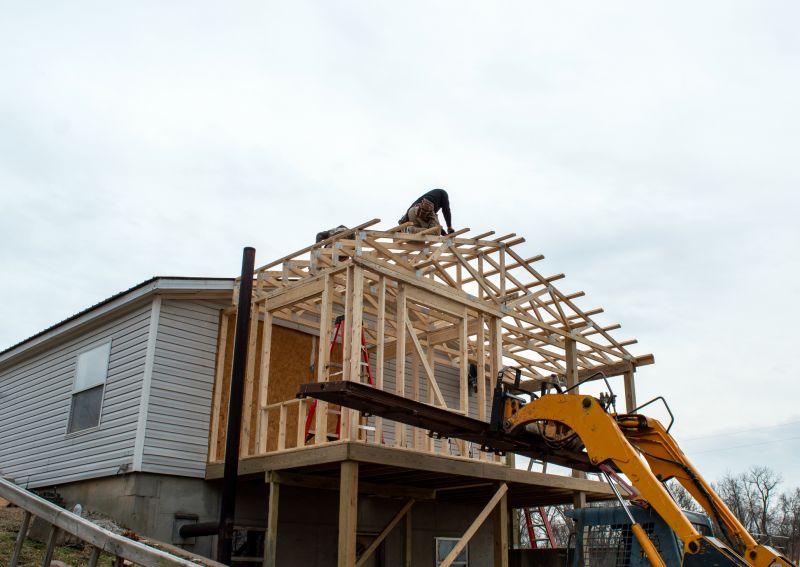


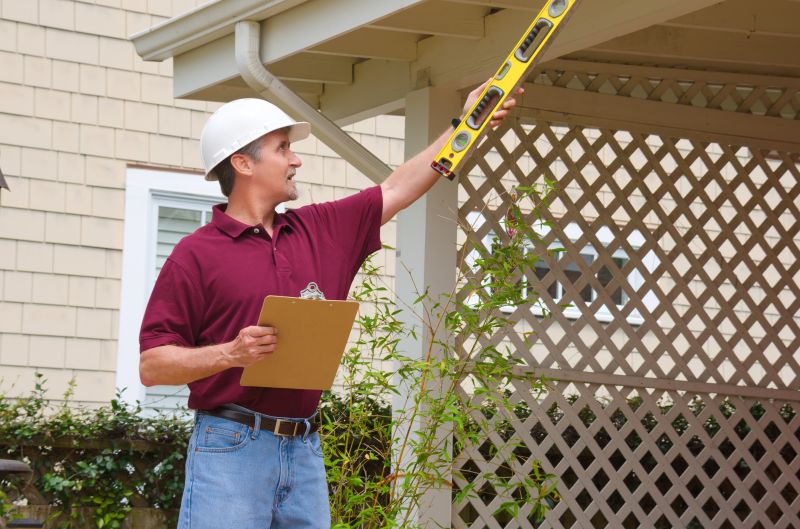
Use consistent comparison criteria across local contractors to accurately evaluate scope, experience, and written expectations.
- Scope Definition - Clearly outline the specific areas and features to be included in the home addition.
- Experience Verification - Confirm that local contractors have relevant experience with similar home addition projects.
- Material and Construction Details - Specify the types of materials and construction methods to be used in the installation.
- Design and Layout Plans - Establish detailed design plans and layout specifications prior to beginning work.
- Written Agreement - Ensure all project scope, expectations, and responsibilities are documented in a formal agreement.
When evaluating contractors for a home addition, it is important to consider their experience with similar projects. Homeowners should inquire about the types of additions they have completed in the past, paying attention to the size, scope, and complexity of those projects. Contractors with a proven track record in residential additions are more likely to understand the unique challenges involved and deliver results that meet expectations. Reviewing their portfolio or requesting references related to comparable work can provide insight into their familiarity with the specific requirements of a home expansion.
A clear, written scope of work is essential for aligning expectations and avoiding misunderstandings. Homeowners should seek detailed descriptions of what the project will include, outlining materials, construction phases, and specific tasks. A comprehensive scope helps ensure that all parties have a shared understanding of the work to be performed. Service providers who can articulate their approach in writing demonstrate professionalism and transparency, making it easier to compare options and identify the contractor that best suits the project’s needs.
Verification basics serve as a foundation for selecting a reliable contractor. While licensing and certification are not discussed here, homeowners should verify that the contractor is properly insured and has a good reputation within the community. Checking references and reviewing past project outcomes can reveal the quality of work and reliability of the service provider. Additionally, confirming that the contractor adheres to local building codes and permits is an important step in ensuring the project will be completed in compliance with regulations.
When comparing contractors, it is helpful to evaluate how each one communicates and how thoroughly they define the scope of work. Service providers who provide detailed proposals and are willing to answer questions about their process can help set realistic expectations. Homeowners should look for consistency across written materials and ensure that all aspects of the project are addressed clearly. By focusing on experience, clarity in scope, and verification of credentials and reputation, homeowners can make informed decisions when choosing a contractor for their home addition project.
Ask contractors to provide written descriptions of the scope and expectations to ensure clarity and consistency.
- Experience and Qualifications - How can I verify the experience and background of local contractors specializing in home addition installation?
- Scope of Work - What details should be included to clearly define the scope of the home addition project in writing?
- Comparison Criteria - What factors should be considered when comparing different local service providers for home addition installation?
- Project Expectations - How can I ensure that the scope and responsibilities are clearly outlined and agreed upon before work begins?
- Work Process and Communication - What questions should I ask to understand each contractor’s approach to managing the project and communicating progress?
What should I consider when choosing a contractor for home addition installation? It's important to compare local service providers based on their experience, reputation, and ability to clearly define the scope of work in writing to ensure expectations are aligned.
How can I verify a contractor’s experience with home additions? You can review their past projects, ask for references, and confirm their familiarity with similar additions to ensure they have the necessary expertise.
Why is it important to define the scope of work in writing? Having a detailed written scope helps prevent misunderstandings, sets clear expectations, and provides a reference for the work agreed upon between you and the contractor.
What questions should I ask a contractor before hiring for a home addition? Inquire about their previous experience, request examples of completed projects, and ask how they handle project management and communication throughout the process.
How can I compare different contractors effectively? Focus on their experience, reputation, clarity of their proposals, and ability to communicate details about the project scope and process.
What role does communication play in a successful home addition project? Clear and consistent communication helps ensure that all parties understand the scope, expectations, and any changes, leading to a smoother installation process.
Home addition installation projects involve multiple steps, including defining the scope of work, verifying the experience of service providers, and establishing clear expectations in writing. Visitors learned how to compare local contractors effectively, ensuring they find professionals who meet their specific needs. Utilizing the quote form can help identify and connect with qualified service providers in the area, making it easier to explore options and make informed decisions.
By using the quote form, visitors can easily compare local contractors and gather information to evaluate which professionals align with their project requirements. This process supports making thoughtful choices by highlighting experienced service providers capable of handling home addition installations. Taking this step can help clarify options and facilitate connections with local experts ready to assist with the project.